Pow Ski Rhythm Music Adventure
Reviews
Pow Ski Rhythm Music Adventure does one thing well: it asks you to match arrow keys to floating symbols in time with the music. The story and free play modes offer different ways to approach the same mechanic, and the open-source model means the game can grow with community input. Its family-friendly design and lightweight performance make it accessible. The main limitation is that the available content depends on the mod it is based on, so players wanting a large built-in library should verify what is currently included.
Description
Timing Notes to the Beat
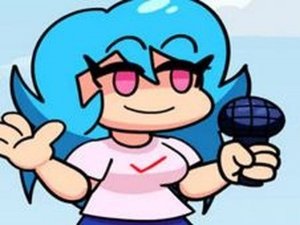
Pow Ski Rhythm Music Adventure is a rhythm game built around one core action: pressing the correct arrow key when a matching symbol lines up above the character. The symbols float and align with the music, so your job is to read the visual cue and respond at the right moment. Miss several notes in a row and the song ends, sending you back to the start. That failure state keeps the focus on accuracy over speed.
Two Ways to Play
The game splits its content into story mode and free play mode. Story mode frames the songs around the character Pow Ski, while free play lets you pick tracks without the narrative wrapper. Both modes use the same note-hitting system, so skills transfer between them. The difference is mainly in how you move through the music: one follows a character-led sequence, the other gives you direct song selection.
Built on a Mod, Open to Contributions
This version is based on a popular mod from a well-known rhythm game series and includes a cover of the song No Villains. Because the project is open-source, the community can contribute updates and new content. That structure means the game can grow over time, but it also means the current song list and features reflect what the mod community has built so far. The game is lightweight and runs smoothly on most devices.
Staying on Rhythm
Concentration matters more than fast reflexes here. Anticipating the rhythm helps you hit notes before they fully register on screen. Starting with easier songs builds the timing and coordination you need for harder tracks. Short breaks during longer sessions can keep your focus sharp, and missed notes are best treated as feedback rather than failure.




Editorial Notes