Spot the Differences Puzzle
Reviews
Spot the Differences Puzzle sticks to a proven format: two images, seven changes, tap to find them. Its strengths are accessibility and focus—no reading, no ads, and a gradual difficulty curve across ten levels. The main limitation is variety; the core loop never changes, so players who want more than image comparison may lose interest. It works best as a short-session activity for children or as a light cognitive warm-up for adults.
Description
Comparing Images Side by Side
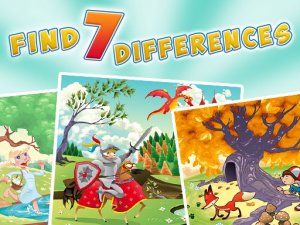
Each level presents two nearly identical pictures placed next to each other. Seven details have been altered between them—a shifted color, a missing object, a changed shape, or a size adjustment. The player taps or clicks on any spot where the two images disagree. Correct taps are marked, and the level ends once all seven differences are found. No reading is required at any point, so preschoolers can play without assistance.
How the Ten Levels Progress
The game includes ten levels, each built around a distinct visual theme. Difficulty rises gradually, meaning the differences become subtler and the images more complex as players advance. This progression is the main source of replay motivation: finishing one level unlocks a fresh set of images with a new theme and a slightly harder comparison task. The structure stays consistent, so players always know what to expect while the challenge itself keeps shifting.
Designed for Young Players
The controls are limited to tapping or clicking, which removes any barrier for children who cannot yet read. There are no ads or distracting interruptions during play, and the content is designed to be safe for kids. Parents can hand over the device without worrying about unexpected pop-ups or inappropriate material. The game works at home or on the go because it does not depend on a network connection or complex setup.
A Focus on Observation Speed
Beyond simply finding differences, the game encourages players to work quickly. The goal is to locate all seven changes as fast as possible before moving to the next level. This adds a light time-pressure element that rewards systematic scanning—comparing one region at a time rather than jumping randomly around the image. Over repeated sessions, players naturally develop faster recognition of color shifts, shape changes, and missing elements.





Editorial Notes