Zoo Dash Adventure Game
Reviews
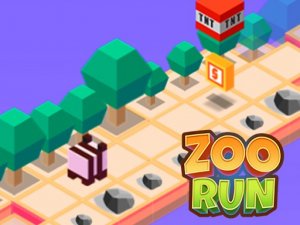
Zoo Dash Adventure Game keeps its scope narrow: pick an animal, run along an isometric track, and jump obstacles as speed builds. The changing backgrounds and zoo theme give it a light, approachable feel, while the escalating difficulty gives reflex-focused players something to chase. It is best suited to casual players who enjoy short, repeatable runs. The main limitation is that the input describes no progression system or unlockable content beyond character visuals, so long-term motivation depends on personal score improvement.
Description
Animal Characters on an Isometric Track
Zoo Dash Adventure Game puts players in control of various animal characters, each with a different visual style. The action unfolds on a three-dimensional isometric path, so the track is viewed from a raised angle rather than straight ahead. That perspective affects how obstacles appear and how much time you have to react. Selecting a character is the first decision, and it changes the look of the run without altering the core endless-runner format.
Jumping, Collecting, and Escalating Speed
The main action is jumping over obstacles by tapping or clicking at the right moment. Timing matters more than speed of input, because a jump that starts too early or too late ends the run. Coins and bonuses sit along the path, and collecting them is optional but encouraged. As a run continues, the game speeds up and obstacle patterns become more complex, so the same track demands sharper reflexes over time.
Changing Backdrops and Zoo Atmosphere
Backgrounds change periodically during a run, which keeps the environment from feeling static. The zoo theme gives the game a light, family-friendly tone rather than a competitive or aggressive one. Because the scenery shifts, it can pull attention away from the path; the practical advice is to watch the track ahead and treat the background as context, not a cue.
Who This Runner Suits
The control scheme is simple enough for casual players and younger audiences, while the progressive difficulty gives reflex-focused players a reason to keep practicing. Runs are short by design, which supports repeated attempts. There is no complex progression system described, so the appeal comes from improving your own distance and learning obstacle patterns rather than unlocking content.




Editorial Notes