Swipe Puzzle: Logic Adventure
Reviews
Swipe Puzzle: Logic Adventure delivers a calm, accessible puzzle experience. The swipe-to-move control is instantly understandable, while switch-based gate manipulation adds a layer of planning that grows gradually. Collectible coins, keys, and stars give completionists extra goals. The absence of timers or penalties makes it ideal for younger players or anyone seeking a low-stress brain teaser. The main limitation is that the core loop may feel repetitive for players wanting more variety, but within its niche it succeeds as a relaxing logic game.
Description
Core Puzzle Mechanics
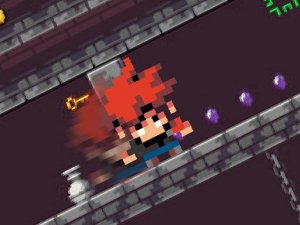
Swipe Puzzle: Logic Adventure asks players to guide a young boy to a green portal in each level. Movement is controlled entirely by swiping on the screen. The direct swiping input makes the game immediately approachable, but the puzzles demand planning. Switches scattered through levels must be activated by swiping the boy over them; each switch opens or closes gates, changing the available paths. There is no time limit, so players can pause and consider their route without pressure.
Collectibles and Rewards
Coins appear along the way and add to the player's score. Keys unlock chests, which contain stars. These stars act as achievements for thorough exploration, giving completionists a reason to revisit levels and search for every key and chest. Collecting everything requires deliberate routing, not just reaching the portal.
Progression and Difficulty
Levels start simple and gradually introduce more complex switch arrangements and obstacle layouts. Because the game never rushes the player, the learning curve stays gentle. New mechanics are introduced through level design rather than text prompts, letting players discover interactions by experimenting. This approach suits younger players and anyone who prefers thoughtful puzzles over reflex-based challenges.
Visual Style and Atmosphere
Bright, colorful environments and cheerful visuals create a relaxed mood. The family-friendly presentation avoids stressful elements like timers or enemies. The focus stays on observation and route planning, making it a comfortable pick for short sessions or for playing alongside children.





Editorial Notes