Vehicle Match Three Puzzle
Reviews
Vehicle Match Three Puzzle does one thing clearly: it asks you to find and clear groups of identical vehicle images from a grid. The absence of a timer removes pressure, which makes it a good fit for players who prefer observation and planning over speed. Larger matches score more, so there is a light strategic layer. The main limitation is that the available information does not describe additional modes, progression systems, or difficulty scaling, so the experience appears to be a straightforward, repeatable puzzle rather than a deep progression game.
Description
What You Do in Vehicle Match Three Puzzle
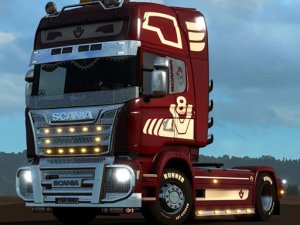
The game presents a grid filled with colorful vehicle images. Your task is to locate and select groups of three or more identical vehicles. When you make a valid match, those images disappear and you earn points. Larger groups yield higher scores. After matches are cleared, new vehicle images may appear to fill the empty spaces, keeping the grid active until no further matches are possible.
Controls and Session Flow
You interact using a mouse or by tapping with your finger. There are no time limits, so you can scan the entire grid at your own pace before making a selection. A session typically ends when no more matches remain. This untimed structure supports both brief breaks and longer play periods without pressure.
Visual Style and Accessibility
The bright, cheerful graphics and vehicle theme make the puzzle easy to read and approachable. The matching mechanic is simple to understand, which helps beginners and casual players start quickly. Visual effects and sounds may accompany matches to reinforce feedback, though the core challenge remains observation and planning.
Planning Your Matches
Because larger groups score more points, looking ahead to identify the biggest available sets is more effective than clearing small matches immediately. Since new images can appear after a match, planning around the grid's changing layout helps avoid running out of possible moves. Regular practice improves how quickly you spot identical vehicles.





Editorial Notes