Smart Reach Puzzle: Family Logic
Reviews
Smart Reach Puzzle: Family Logic focuses on a single, clear mechanic: guide a hand past obstacles to grab an item. The obstacle variety—stationary barriers, lasers, guards, and fans—forces different approaches, and the difficulty curve introduces switches and multi-item stages without overwhelming. The cartoonish 2D style and absence of dark imagery suit family play. The main limitation is that the input does not describe audio, multiplayer, or level count, so those remain unknown. It will appeal most to players who enjoy route planning and precision timing in short sessions.
Description
Steering a Hand Through Hazard-Filled Stages
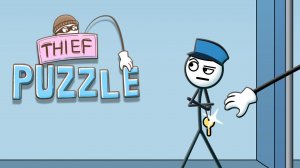
In Smart Reach Puzzle: Family Logic, you control a hand that must reach a target item placed somewhere in the scene. Movement follows your mouse clicks and holds, so you plot a route by deciding when to move, pause, and adjust direction. The item shifts to new locations each stage, from a park bench to a city square, and the path is rarely direct. Rushing usually triggers alarms or bumps into guards, making precision more important than raw speed.
Obstacles That Demand Different Reactions
Early stages use stationary barriers, which let you learn the basic reach mechanic without pressure. Later stages introduce moving lasers, patrolling guards, and rotating fans. Each hazard calls for a distinct response: lasers require timed pauses, guards need you to read their patrol routes and slip around them, and fans push the hand off course, forcing you to adjust your angle of approach. Combining these obstacles in one stage is the game's main difficulty lever.
Bright Visuals and Family-Friendly Tone
The 2D art uses clean, bright colors and simple character designs. Backgrounds move from cozy living rooms to outdoor markets, all drawn with a lighthearted, cartoonish style. Animations are smooth but not busy, keeping attention on route planning. Humorous touches, such as a hand sneaking past a sleeping cat, add charm without hiding the puzzle. There is no violent or dark imagery, which supports the family tag.
How Difficulty Builds Over Time
Early levels act as tutorials for controls and obstacle behavior. Mid-game stages introduce multi-step puzzles where you must activate switches or move platforms to clear a path. Later levels require precise timing and route planning, often with multiple items to collect in sequence. The margin for error shrinks as obstacle types combine, so skills build incrementally rather than all at once. This structure keeps frustration low while still offering a sense of accomplishment.





Editorial Notes