Timber Block Balance Puzzle
Reviews
Timber Block Balance Puzzle focuses on weight distribution and pivots rather than speed. The gradual ramp from a single plank to irregular blocks and limited placement spots teaches physics intuition without arbitrary spikes. Clean 2D visuals and real-time feedback make cause and effect clear. The lack of timers and penalties suits players who prefer thoughtful experimentation, though those seeking fast action may find the pace slow.
Description
The Weight-and-Pivot Loop
Each puzzle hands you a wooden structure and a set of screws or nuts to position. The game simulates gravity and weight distribution, so adding a piece changes the load on every contact point. A screw placed too far to one side can tip a stack, while a nut near the center may hold it steady. The cause-and-effect is immediate, which makes each placement feel like a small experiment rather than a guess.
How Difficulty Grows
Early setups are simple, such as a single plank resting on a fulcrum. Later puzzles introduce multiple blocks, irregular shapes, off-center supports, and fewer valid placement spots. New ideas build on earlier ones instead of jumping in difficulty, so the physics intuition you develop carries forward. With no timers or move counters, you can try a placement, watch the result, and adjust without penalty.
Reading the Structure
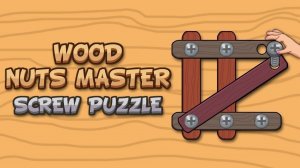
The 2D visuals use distinct block textures and colors so edges and contact points are easy to identify. When you place a piece, blocks may shift, tilt, or slide in real time, giving clear feedback about what your action changed. The interface keeps only essential controls visible, and soft shadows plus gentle animations reinforce a calm, uncluttered feel. [IMG_1]
Hints and Flexible Solutions
A hint system can highlight a possible placement area without revealing the full answer, which keeps the final decision in your hands. Some puzzles accept more than one valid arrangement, so revisiting a level with a different approach can produce a different result. Progress is tracked, but mistakes are not punished, which supports short sessions or longer, thoughtful play.





Editorial Notes