Family Brain Teaser Bundle
Reviews
The Family Brain Teaser Bundle works best as a shared family activity rather than a solo deep-dive. Its strength is variety: memory matching, turn-based logic puzzles, and reflex challenges sit side by side, so children can switch between thinking styles. Local multiplayer for two to four players on one device makes it practical for siblings or gatherings. The desktop-only browser format and brief instructions suit younger players, though the collection favors accessibility over depth.
Description
What the Bundle Contains
The Family Brain Teaser Bundle gathers over two dozen separate activities under one roof. Each activity has its own rules and win conditions, so the collection covers a range of thinking styles rather than repeating one formula. Memory matching games ask players to recall where items sit. Turn-based strategy puzzles reward planning several moves ahead. Reflex-based pop-it challenges flip the pace entirely, testing how quickly a child reacts rather than how carefully they think. The mix includes familiar formats alongside newer ones.
Playing Together on One Screen
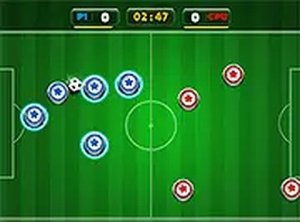
Most games in the bundle support two, three, or four players sharing the same device. Turn-based puzzles naturally enforce a waiting rhythm, which gives siblings and friends a structured way to take turns without constant supervision. Because players rotate rather than compete in real time, the setup suits family gatherings where ages and skill levels vary. [IMG_1]
Controls and Interface
Every activity uses simple mouse or keyboard input. Players click to select items, drag pieces across a board, or tap to pop virtual bubbles. Instructions stay brief, so young children can begin without working through long tutorials. The interface targets desktop computers and runs in a standard web browser, with a full-screen option for better visibility.
Designed for Young Players
Content is made with children in mind, and the bundle avoids complex mechanics that could cause frustration. Games load quickly in a browser, which keeps the focus on play rather than setup. Parents looking for short, low-pressure activities that still require thinking will find the format fits that need.





Editorial Notes