Fortress Watch: Strategic Defense

Reviews
Fortress Watch: Strategic Defense focuses on preparation and recovery rather than direct combat. The dual resource system forces meaningful trade-offs, and the variety of defender roles encourages experimentation. Offline progression reduces the need for constant check-ins. Players who enjoy base building, tower defense, and planning ahead will find a solid fit. The lack of manual control may not appeal to those seeking action-oriented gameplay.
Description
Building and Defending Your Settlement
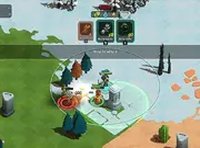
You begin Fortress Watch: Strategic Defense with a small settlement and a few defenders. The main task is placing defensive structures around the perimeter. These installations automatically target approaching threats, so you don't need to control every shot manually. Between enemy waves, you collect materials to repair damage, upgrade existing structures, and expand your base outward. This cycle of preparation, defense, and recovery drives the entire experience.
Balancing Materials and Food
Two resources shape your progress: building materials and food supplies. Materials let you construct and improve defensive structures. Food attracts new settlers, each with unique abilities. The tension comes from splitting your investment. Put too much into one resource and your base becomes vulnerable in another area. The game rewards careful planning and punishes reckless spending.
Assigning Defenders to Key Roles
New arrivals bring distinct skill sets. Some repair walls quickly, others boost the damage of nearby towers, and a few temporarily slow down approaching enemies. Deciding which defenders to recruit and where to station them adds tactical depth. Trying different combinations helps you find effective strategies for later waves.
Wave Structure and Escalation
Enemy groups arrive at set intervals, with each wave posing a greater challenge than the last. Early waves feature slow, weak opponents that test basic defenses. Later waves introduce faster enemies, larger groups, and occasional tougher units that require focused fire. This gradual increase in difficulty gives you time to learn the mechanics and refine your approach.
Offline Progression and Reports
A key feature is that your settlement continues gathering resources and fighting off minor attacks while the game is not actively being played. When you return, you find accumulated materials and a report of any defenses that were triggered. This system reduces the pressure to check in constantly while still rewarding regular engagement for major upgrades and strategic adjustments.



Editorial Notes